
Smart kitchen appliances and the US market today
A homeowner in Coral Gables told us their smart dishwasher stopped talking to the app after a router swap. The unit still washed dishes; only the phone side broke. That split is normal: smart kitchen appliances are part appliance, part small computer.
Walk a Lowe’s or Home Depot appliance row in 2026 and you will see Wi‑Fi called out on wall cards for GE Profile, LG ThinQ, Samsung SmartThings, and Whirlpool connected lines. Sales bundles often pair smart kitchen appliances with Alexa or Google Home hubs. Insulation and LED retrofits still matter, but the sale pitch is “one app for the house.”
Will smart gear cut your bill? Sometimes. The U.S. Department of Energy explains that some “smart” models can shift load to off-peak hours when your utility uses time-of-use pricing. Check your bill for on-peak and off-peak windows; your meter and rate code must match what the manufacturer’s app expects. Smart kitchen appliances tied to a home energy panel use that same logic for cooking and cleanup.
Before you compare brands, pull the yellow EnergyGuide tag on the floor model. Then check for the ENERGY STAR logo. Numbers on the tag beat ad copy every time.
| Feature | What you actually get | What to watch |
|---|---|---|
| App control | Remote start, edits from a phone | App store reviews older than six months often lie about today’s bugs |
| Voice tie-in | Timers and temps by voice | Mic permissions and which assistant (Siri, Alexa, Google) the unit supports |
| Energy shifting | Heavy cycles when power is cheaper | Only helps if your bill lists on-peak and off-peak hours |
| Over-the-air updates | Bug fixes without a service call | Ask how many years the maker promises updates for that model |
From federal guidance: Smart units can link to meters and home energy tools. That setup can shift power use to cheaper hours. Source: U.S. Department of Energy, Energy Saver.
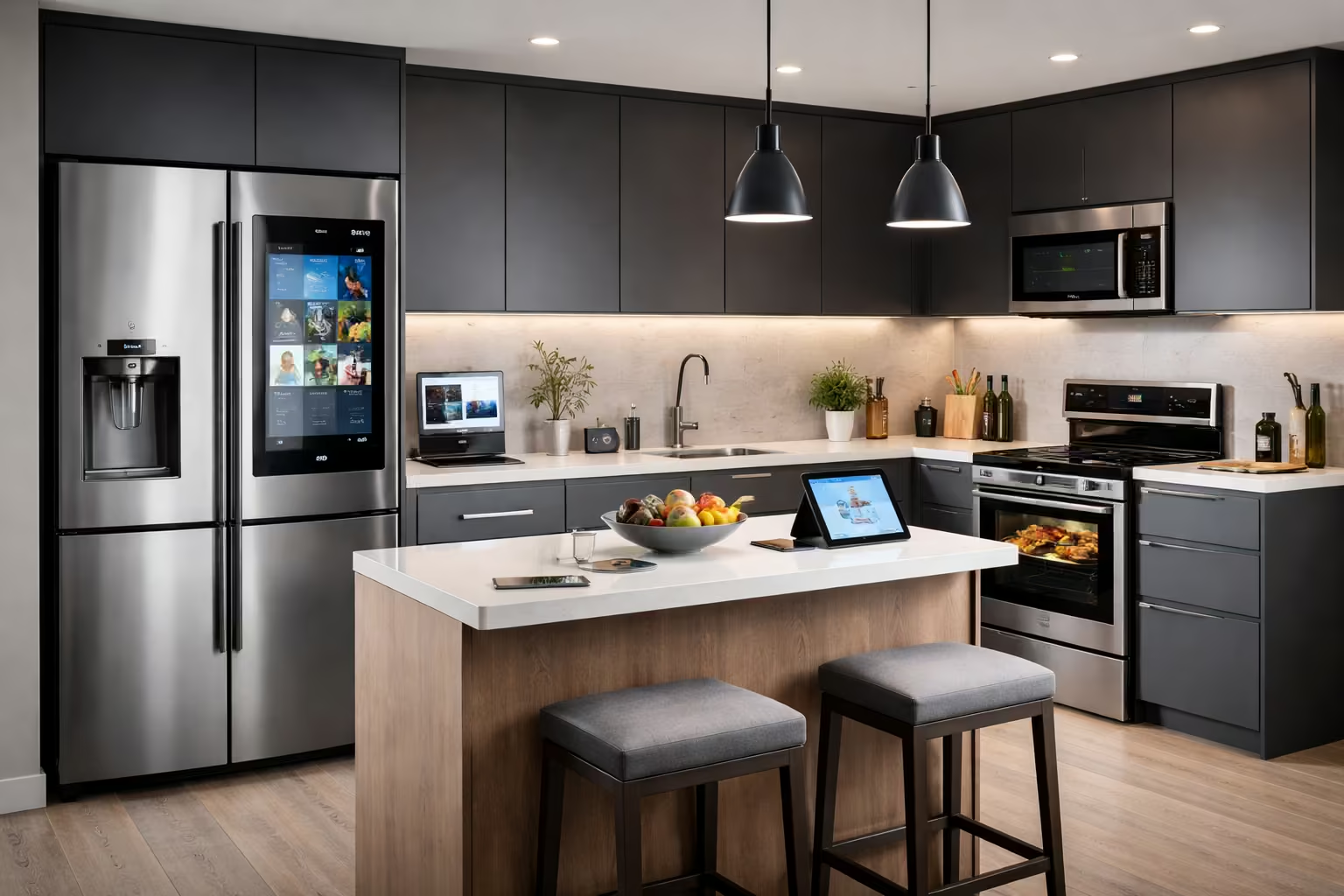
What counts as “smart” in a smart kitchen?
“Smart” is not one feature. For most smart kitchen appliances, three pieces show up together: a Wi‑Fi radio, a phone app, and push alerts or logs. Without all three, you might just have a nicer display.
Picture Tuesday night:
- 6:12 PM: You tap “preheat 375°F” in the LG ThinQ or Samsung SmartThings app on I-95. The wall oven starts while you are still ten minutes out.
- 6:45 PM: The fridge camera shows the milk shelf. You delete “milk” from the Publix cart before checkout.
- 9:30 PM: The Bosch 800 Series or similar connected dishwasher texts “clean.” You empty it before bed instead of finding wet bowls at 7 AM.
None of that requires a full remodel. It does require stable 2.4 GHz Wi‑Fi at the appliance, not just at the router in the hall.
Skip the upsell if you never load the app after week one. A dumb dishwasher that runs on a $15 plug timer can beat a smart one you refuse to update.
Smart kitchen appliances for cooking and meals
Ovens, ranges, and guided modes
Smart kitchen appliances in this aisle often ship with remote preheat and saved steps. GE Profile and Frigidaire Gallery lines often sell remote preheat with guided recipes. JennAir and Bosch publish similar tools at higher price points. Florida building codes still treat gas ignition and ventilation as separate issues from the app, so ask your city whether remote start is even allowed for your fuel type.
After we install or service a connected range, we set a smoke detector test date on the same visit. The hardware is only as safe as the room around it.
Refrigerators and inventory
Samsung’s Family Hub and LG InstaView get the press shots. Behind the screen, the same rules apply as for any fridge: door ice and through-the-door water raise filter cost (often $40 to $80 per year) and can add service calls when the dispenser fails. A camera that helps you shop can still be a $200 part five years in.
Small appliances
Breville Joule Oven, Instant brands, and Ninja multicookers now ship with apps. Honest comparison: if you brew coffee once a day, a $40 timer plug and a good grinder may beat another login. If you travel weekly, remote start on a drip machine can matter.
Energy, bills, and smart kitchen appliances
Numbers beat slogans. ENERGY STAR-certified refrigerators are typically about nine percent more efficient than models that only meet the federal minimum, and many qualified units save more than two hundred dollars over about twelve years of use compared with older designs. Those figures come from federal ENERGY STAR listings, not from a box sticker slogan.
On the sales floor, two smart kitchen appliances can look identical yet show different yearly dollar lines on the EnergyGuide tag. Read the black number on the yellow label, not the Wi‑Fi icon.
Dirty coils still punish every fridge. The Department of Energy notes that grimy coils can raise a refrigerator’s energy use by about thirty-five percent. No app fixes that until someone vacuums the back.
Day-to-day habits still matter: cover pots, run full dishwasher loads, and hold the fresh-food section near 35°F to 38°F. Smart schedules help most when your utility actually charges different rates by hour.
Quick label tip: The EnergyGuide tag shows yearly use. The ENERGY STAR badge picks models above the federal floor. See ENERGY STAR.
Before you sign the ticket:
- Measure width, depth, and door swing. Stand where the appliance will sit and run a speed test on your phone; aim for usable Wi‑Fi at that spot, not just in the hallway.
- Photograph the EnergyGuide label on the exact SKU you are buying. Compare kWh per year, not the size of the touch screen.
- Ask the dealer to put “how many years of app and security updates” in writing for that model year.
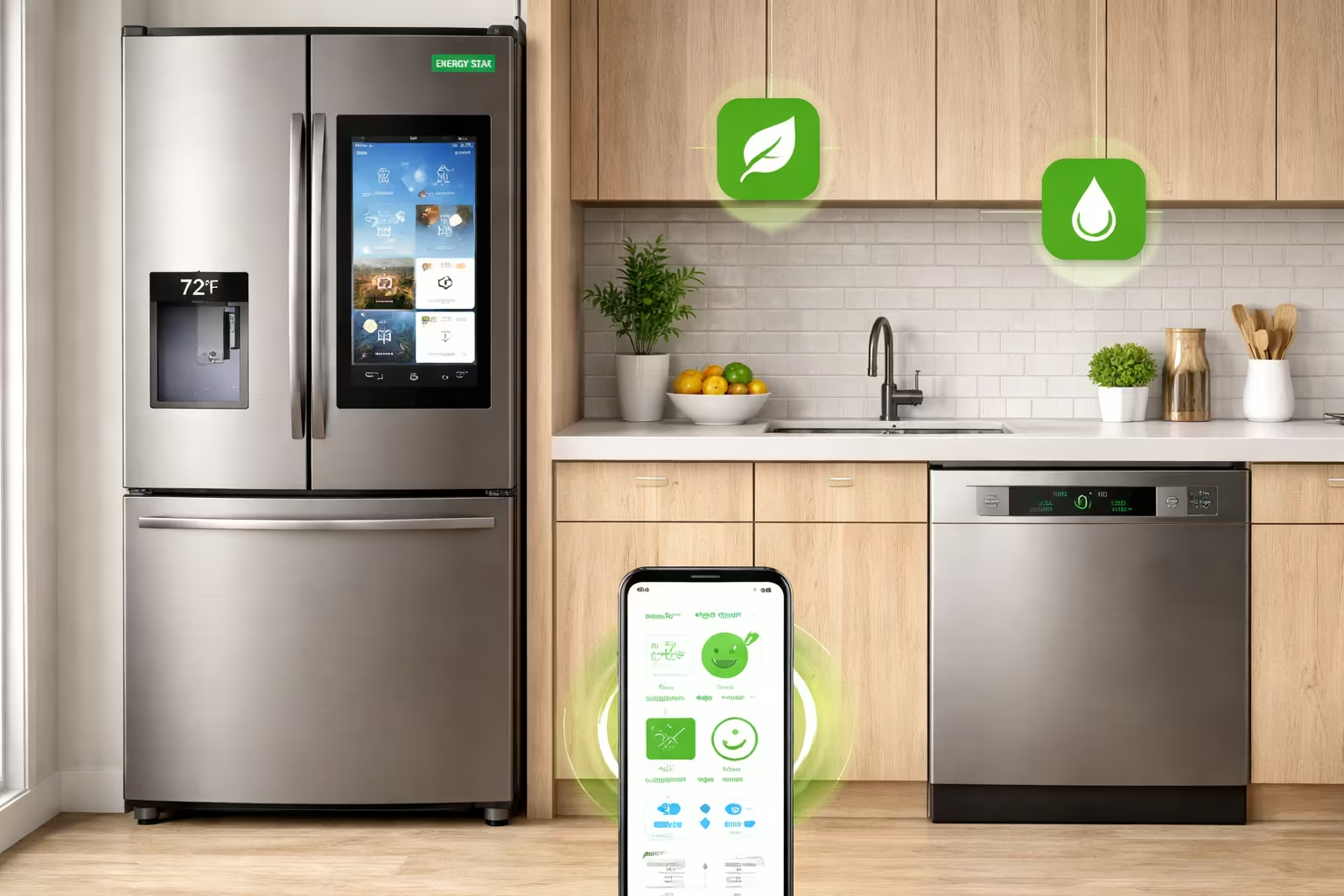
Safety, privacy, and repair realities
Leak sensors under a smart washer hookup saved one Miami customer from repeating a six-hundred-dollar floor repair. That kind of win is rare, but it is real. More often we see the quiet problems: a recalled password, a two-factor prompt on a tablet someone threw away, or a brand that stopped patching a three-year-old app.
Ring, Nest, and native OEM apps each want another account. Treat smart kitchen appliances like laptops on your network: unique passwords, MFA where offered, and a calendar note to delete old vendor logins when you sell the house.
When the cable modem dies, your oven should still bake at 350°F from the glass touch panel. If it does not, keep the paper manual in the junk drawer.
On service calls we now pull codes from Bluetooth dongles and OEM apps as often as from wiring diagrams. Save a PDF of your warranty, the serial plate photo, and the purchase receipt in one cloud folder. When you call for help, “model WDT730…” from the silver tag beats “the silver Whirlpool.”
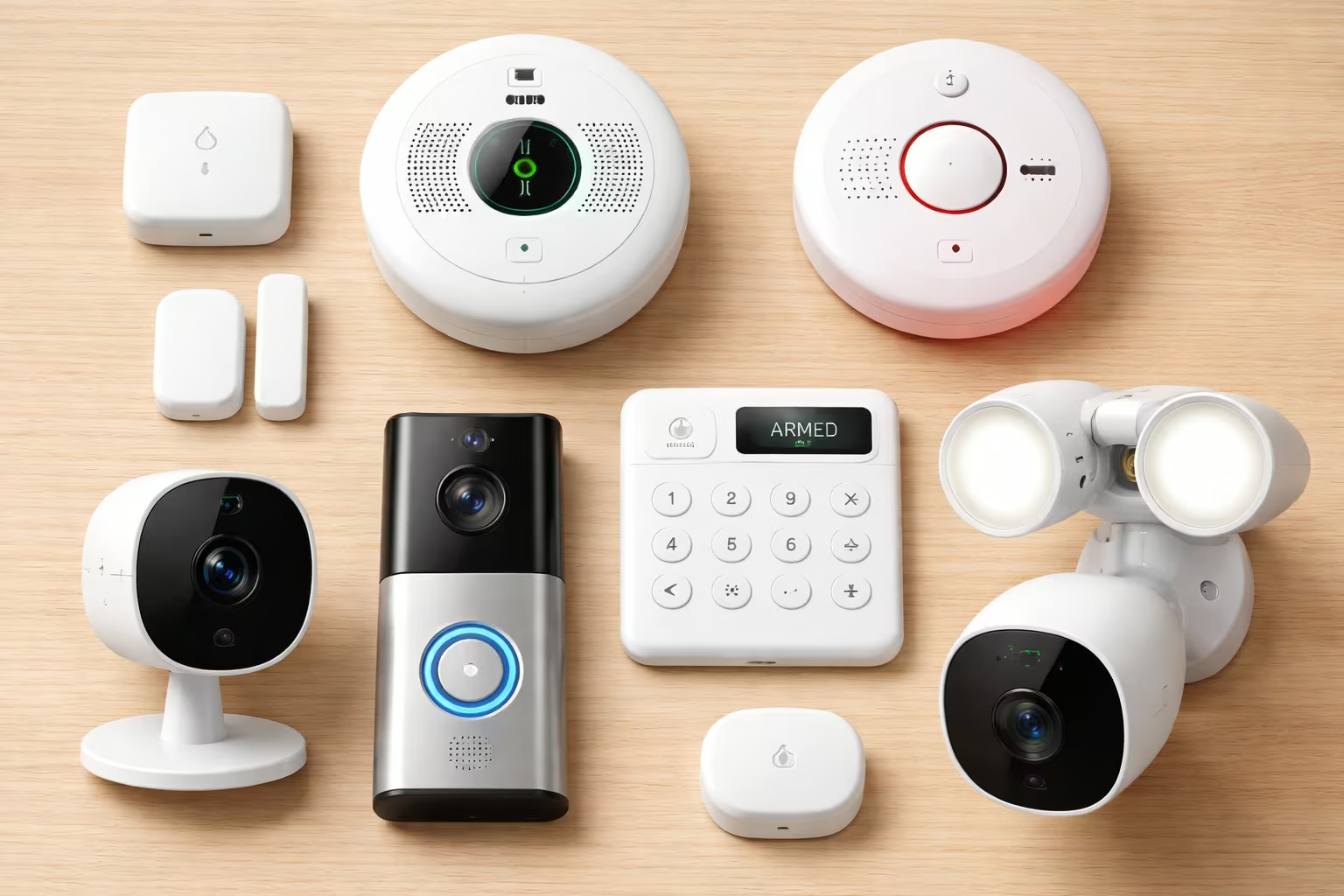
Where the US market for smart kitchen appliances is heading
National press releases will not decide your kitchen; what your dealer stocks will. In South Florida showrooms we still see mid-priced smart kitchen appliances move faster than ultra-premium columns, mostly because Wi‑Fi is now a checkbox on $899 dishwashers, not only on four-thousand-dollar fridges.
Some production builders bundle one app per new community. Older condos add one device per renovation, so a Samsung fridge, GE oven, and Bosch dishwasher may share only the homeowner’s phone, not one hub.
Replacement cycles run about ten to fifteen years for fridges and ranges. Chip shortages in 2021 and 2022 taught buyers to ask which control board ships today. That habit stuck.
Example weeknight routine (not code)
Keep scenes boring. If this looks like your house, you are doing it right:
- 5:45 PM: Phone alert to preheat the oven to 375°F for chicken thighs
- 6:10 PM: “At temp” ping; you slide the pan onto rack two
- 7:00 PM: Dishwasher delay set for 11 PM when off-peak rates start
When the cloud hiccups, the oven knob still works. That is the test.
Conclusion: smart kitchen appliances you can actually use
Buy smart kitchen appliances for a task you already hate, not for a demo you saw online. One pain point at a time: late dinners, mystery fridge inventory, or kids who forget to start the dishwasher.
The winners on our bench are models with public error codes, spare boards you can order, and apps that still sign in after an OS upgrade. Flashy launch videos age fast; yellow EnergyGuide numbers do not.
Use the federal links below to read labels before you finance a cart. Keep your smart kitchen useful after the sale ends.
Start with the U.S. Department of Energy. Read shopping for appliances and electronics. Then read kitchen appliances. Compare the yellow EnergyGuide tag to the ENERGY STAR mark in this ENERGY STAR guide.