
A refrigerator ice maker not making ice is usually a power switch, freezer temperature, water line, or filter issue before it is a major sealed-system failure. Start with the checklist below, which mirrors published troubleshooting from brands such as KitchenAid and Maytag and temperature advice from the U.S. Department of Energy. If the freezer holds 0°F and water still never reaches the mold after a full day, contact ARS Repair Inc. for refrigerator repair in South Florida.
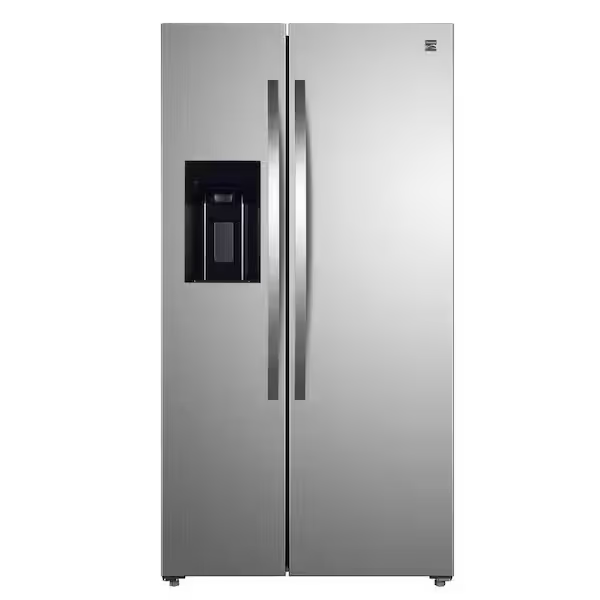
Refrigerator ice maker not working: what has to line up
Most automatic ice makers need three things at once: power to the ice maker module, water at adequate pressure, and air cold enough in the freezer compartment. When any one of those is missing or weak, you get hollow cubes, very slow ice, or no ice at all.
Quick checklist (do these first)
- Confirm the ice maker is turned on at the switch or control panel (it is easy to bump off after cleaning or a party).
- Check the bail arm or feeler on older designs: if it is stuck in the “off” or raised position, the ice maker may not cycle.
- Verify the household water valve behind the refrigerator is fully open and the plastic supply line is not kinked when the unit is pushed back.
- Measure whether the freezer is actually cold enough using an appliance thermometer, not only the display number on the door.
Freezer temperature and ice production
Brand troubleshooting guides for full-size refrigerators commonly recommend setting the freezer between 0°F and 5°F for reliable ice production. If the compartment drifts warmer, the ice maker may harvest slowly or stop.
That range also lines up with good food-storage practice. The U.S. Department of Energy states that a freezer should be set at 0°F so food stays solidly frozen, and recommends checking the temperature with a thermometer because dial labels are not always exact. For more on dial settings versus real temperature, see our posts on what is a good freezer temperature and optimal refrigerator temperature.
In Miami-Dade and Broward homes, warm grocery loads, kids opening the freezer often, or a door gasket leak can all pull the average temperature up. If you see frost patterns that block the ice maker air duct on some models, note it for a technician.
Water supply, filter, and pressure
Manufacturers such as KitchenAid and Maytag list a restricted water supply and water filter problems among the most frequent reasons an ice maker stops working. Typical guidance includes:
- Straighten the supply line and leave enough clearance so the refrigerator does not pinch the line against the wall.
- After a new filter is installed, confirm it is fully seated and locked so water can reach the valve and fill tube.
- Replace the refrigerator water filter on the schedule your manual recommends (many brands suggest about six months, sooner if flow drops).
Low house water pressure can reduce fill volume. If you recently changed plumbing, added a reverse-osmosis system, or have a whole-home shutoff partly closed, those changes sometimes show up first at the fridge because the dispenser and ice maker use small orifices.
Ice maker not making ice after power outage or filter change
After you replace a filter or restore power, some models need several hours before a full harvest. If the ice maker still does nothing after overnight waiting, use the manufacturer reset in the owner’s manual (button on the ice maker or a short power cycle by unplugging for one minute). If the ice maker runs but no water enters the mold, you may be dealing with a frozen fill tube, a faulty inlet valve, or a control issue that usually needs hands-on diagnosis.
When ice production drops but does not stop completely
Partial problems often trace to temperature swings, partial filter clogging, or a door that does not seal. Dirty condenser coils can make the whole refrigerator work harder; the U.S. Department of Energy notes that dirty coils can raise the energy cost of the refrigerator by as much as 35% and shorten appliance life, so coil cleaning belongs on a yearly maintenance list, or more often with pets. That general load issue can edge the freezer temperature away from where the ice maker is happy.
What this problem is not (usually)
A failed compressor shows up as warm sections or spoiled food, not only missing ice. If the freezer still keeps ice cream hard and only the ice maker misbehaves, you can still read our overview of how to tell if a refrigerator compressor is bad, but the ice maker subsystem is the more likely focus.
Symptom snapshot
| What you notice | Likely place to look first |
|---|---|
| No ice, water dispenser also slow or empty | House valve, kinked line, filter, inlet valve |
| No ice, dispenser water is normal | Ice maker switch, bail arm, ice jam in bucket, fill tube freeze |
| Small or hollow cubes | Low fill (pressure or valve), or short cycle from warm freezer |
| Ice clumps into a solid block | Fill or harvest fault, or infrequent use with auto defrost melt and refreeze |
Refrigerator interior airflow

Do not pack food against the ice maker or any vents that move cold air from the evaporator into the ice mold area. Manufacturers assume free airflow when they publish troubleshooting steps. Overfilling also makes it harder for the freezer to recover after door openings, which matches Department of Energy advice to avoid blocking cold air movement.
FAQ
How long should an ice maker take to fill the bin after setup?
It varies by model and room temperature. After a new installation or a long power outage, assume you may need to wait many hours before the bin looks normal again, especially if the freezer started warm.
Does the door water filter affect the ice maker?
On most filtered dispensers, yes. The same water path often feeds both the door dispenser and the ice maker, so a clogged or misinstalled filter can starve both.
When should I call a technician?
Call for refrigerator repair if you find a cracked supply line, water under the refrigerator, repeated frozen fill tubes after you clear them, error codes on the display, or if basic checks do not change anything after a full day at correct freezer temperature. Sealed-system work and electrical control boards are not DIY projects. ARS Repair Inc. can diagnose the ice maker assembly, inlet valve, and related controls on a scheduled visit; use the refrigerator repair page to get started.
Sources and further reading
- U.S. Department of Energy, Refrigerator Freezer Use and Temperature Tips (freezer temperature, thermometers, airflow, power outages).
- U.S. Department of Energy, Purchasing and Maintaining Refrigerators and Freezers (coils, water filters on dispenser models).
- KitchenAid product help, Ice Maker Not Working - Troubleshooting.
- Maytag product help, How to Troubleshoot the Ice Maker.