Your dryer is an essential appliance in your home, making laundry tasks quicker and more efficient. Without proper maintenance, its performance can decline, leading to higher energy costs, longer drying times, and potential safety hazards. This guide gives you a clear checklist and expanded tips to keep your dryer running safely and efficiently.
Dryer maintenance checklist
- Clean the lint filter after each use.
- Inspect and clean the vent system regularly.
- Avoid overloading the dryer.
- Keep the dryer level to reduce vibrations.
- Check for foreign objects in the drum before each use.
- Examine door seals for wear.
- Clean the drum with a damp cloth every few months.
- Schedule annual professional maintenance for a thorough inspection.
Expanded dryer maintenance checklist
| To do | Reasons | Summary |
|---|---|---|
| Clean lint filter | Prevents fire hazards, improves efficiency | Clean after every load |
| Clean vent system | Prevents overheating, reduces energy waste | Inspect and clean annually |
| Use correct settings | Protects clothes, saves energy | Match settings to fabric type |
| Check seals | Prevents heat loss, maintains efficiency | Inspect and replace if damaged |
| Clean interior | Reduces fire risks, improves performance | Wipe drum monthly |
| Avoid overusing dryer sheets | Prevents residue buildup | Use sparingly or use alternatives |
| Monitor drying times | Detects efficiency issues | Track normal drying duration |
| Balance the dryer | Reduces vibrations, protects components | Check level and adjust legs |
| Avoid soaking-wet clothes | Reduces strain, saves energy | Wring out clothes first |
| Keep area clean | Prevents fire hazards | Vacuum around dryer regularly |
| Limit high-heat use | Protects fabrics, extends appliance life | Use high heat sparingly |
| Be mindful of items | Prevents damage and fire risks | Check care labels |
| Schedule professional maintenance | Identifies issues early | Annual inspection recommended |
| Replace worn parts | Prevents failures | Replace belts, rollers, elements as needed |
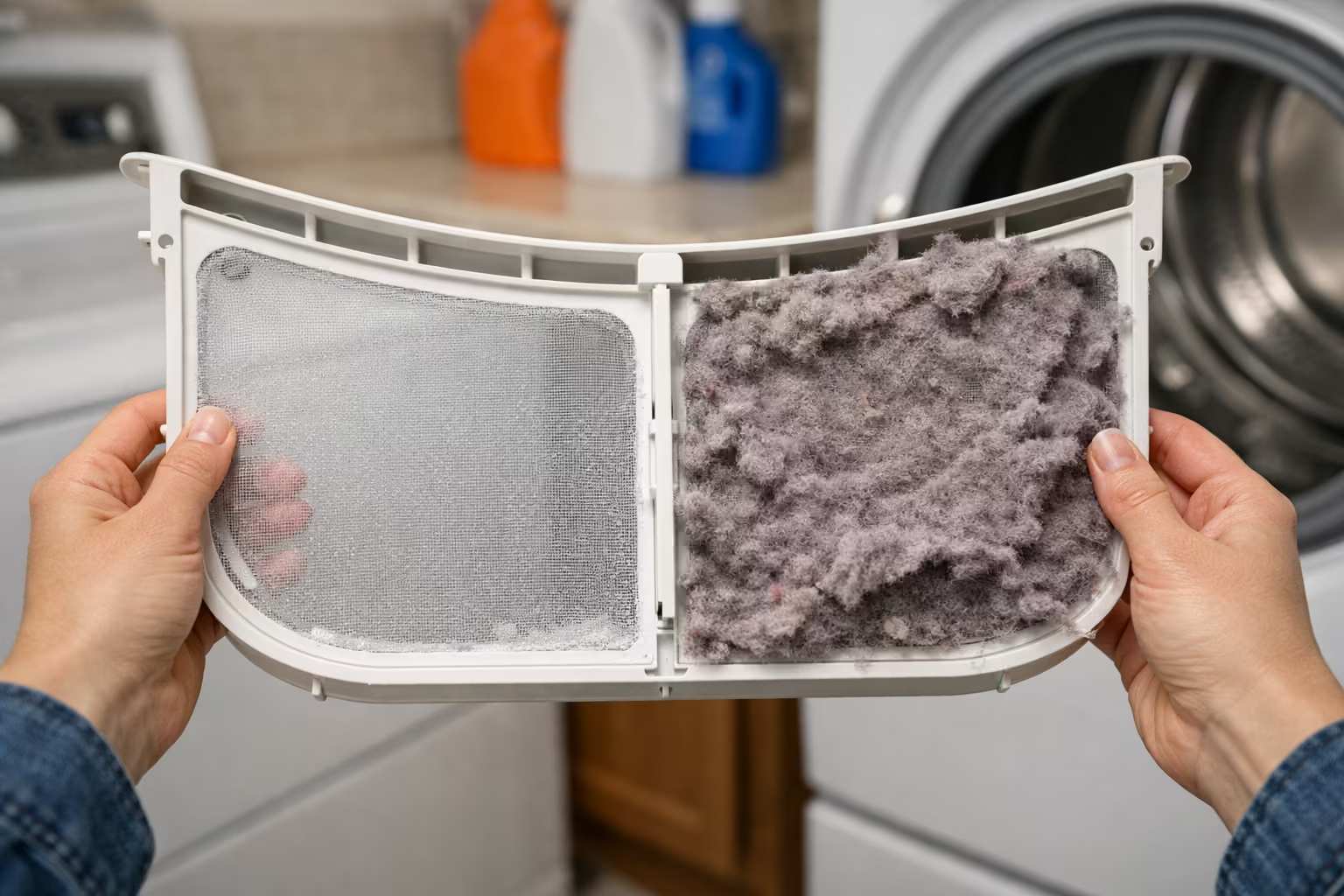
Clean the lint filter after every use
The lint filter collects fibers and debris during the drying process. If not cleaned regularly, it can become clogged, restricting airflow and increasing the risk of overheating and fire hazards.
What to do:
- Clean the lint filter after every drying cycle.
- Wash the filter with warm, soapy water every few months.
- Prevent restricted airflow and reduce fire risks by keeping the filter clean.
Inspect and clean the vent system regularly
A clogged dryer vent can impede airflow, causing overheating, longer drying times, and energy inefficiency. It can also pose a serious fire hazard. Check the external vent for blockages like lint or bird nests and clean it as needed. For optimal safety and performance, schedule professional vent cleaning at least once a year or more frequently if your dryer sees heavy use.
- Inspect the external vent for lint and obstructions regularly.
- Schedule professional vent cleaning annually or as needed.
- Prevent overheating, energy waste, and fire hazards by maintaining a clean vent system.
Use the correct settings
Using the proper settings for each load protects your clothes and enhances your dryer’s efficiency. Lower heat settings are ideal for delicates, while heavier items like towels benefit from higher heat. Take advantage of moisture sensors or timed drying to prevent over-drying, which can damage fabrics and the dryer’s internal components.
- Choose settings based on fabric type (e.g., low heat for delicates).
- Use moisture sensors or timed drying to avoid over-drying.
- Protect clothes and reduce energy consumption with the right settings.
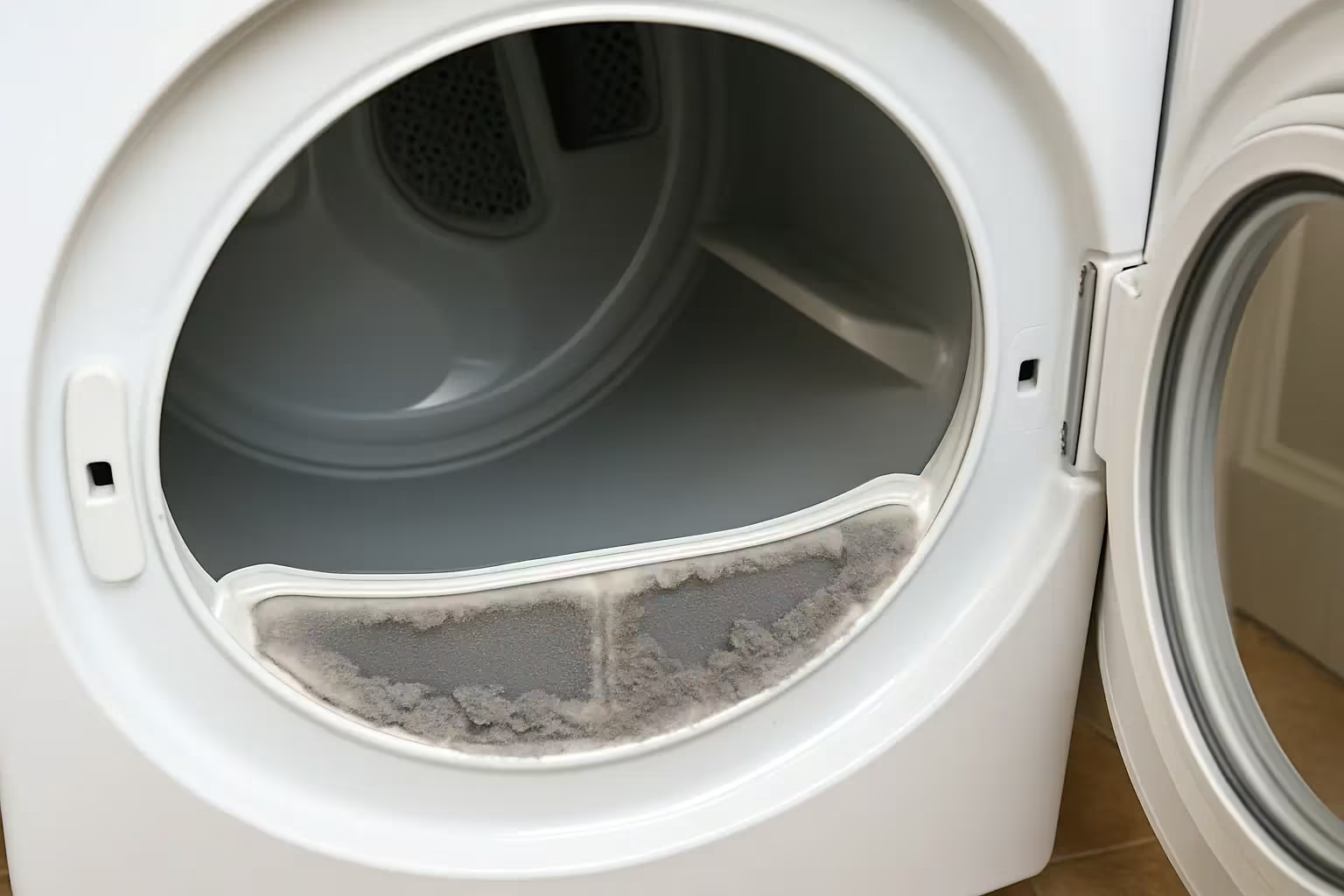
Check the Drum and Door Seals
The drum and door seals are essential for trapping heat and moisture inside the dryer. Over time, these seals can crack, wear out, or collect debris. Regularly inspect and clean the seals to ensure they remain effective. Replace any damaged seals to maintain proper efficiency and prevent heat loss.
- Inspect seals for cracks or wear regularly.
- Clean seals with a damp cloth to remove lint or debris.
- Replace damaged seals to prevent heat loss and inefficiency.
Clean the interior of the dryer
The interior of your dryer, including the drum, can accumulate lint, dust, and residue from dryer sheets or fabric softeners. These can affect performance and pose a fire risk. Wipe the drum with a damp cloth every few months and vacuum the surrounding area to keep it clean and safe.
- Wipe the dryer drum with a damp cloth every few months.
- Vacuum lint and dust around the dryer’s base and vent areas.
- Reduce fire risks and improve performance by maintaining cleanliness.
Avoid Using Too Many Dryer Sheets
Dryer sheets can leave a waxy residue on the lint filter and drum, reducing the dryer’s efficiency. Use them sparingly, and opt for alternatives like wool dryer balls, which are reusable and chemical-free. If you do use dryer sheets, clean the lint filter with warm, soapy water regularly to remove buildup.
- Use dryer sheets sparingly to prevent residue buildup.
- Consider alternatives like wool dryer balls.
- Clean lint filter with warm, soapy water regularly if using dryer sheets.
Monitor drying times
- Track normal drying times for your loads.
- Notice if drying times increase significantly, which may indicate vent blockages or other issues.
- Consult a technician if drying times become unusually long.
Balance the dryer
An unbalanced dryer can vibrate excessively, creating noise and causing wear on internal components.
- Check if the dryer is level using a spirit level.
- Adjust the dryer’s legs or place it on a stable surface.
- Reduce vibrations and protect internal components by balancing the dryer.
Avoid drying soaking-wet clothes
Drying clothes that are excessively wet can put unnecessary strain on your dryer and increase drying times significantly. Always wring out or spin-dry clothes properly in the washer before transferring them to the dryer. This reduces the workload on your appliance, saves energy, and helps prevent wear and tear on its components.
- Avoid putting soaking-wet clothes in the dryer.
- Wring out or spin-dry clothes in the washer beforehand.
- Reduce strain on your dryer and save energy.
Keep the Dryer Area Clean
Dust, lint, and debris can accumulate around the base of your dryer, especially near the vent and electrical connections. This buildup can be a fire hazard or impact performance. Vacuum or sweep around the dryer regularly to maintain a clean and safe workspace.
- Regularly clean the area around the dryer.
- Remove dust, lint, and debris near vents and connections.
- Prevent fire hazards and maintain a safe workspace.
Avoid overusing high-heat settings
While high-heat settings can speed up drying, frequent use can cause fabrics to shrink or become damaged. It also accelerates wear on your dryer’s internal components. Use high-heat settings sparingly, reserving them for heavy-duty items like towels and blankets. For everyday loads, opt for medium or low heat to protect your clothes and appliance.
- Use high-heat settings sparingly to protect fabrics.
- Reserve high heat for heavy items like towels or blankets.
- Opt for lower heat settings to preserve your dryer and clothes.
Be mindful of what you dry
Certain items, such as rubber-backed rugs, plastic materials, or items with volatile chemicals (like gas-soaked rags), should never be placed in the dryer. These items can damage the appliance or even pose a fire risk. Always check the care labels on garments and ensure the items you dry are safe for machine drying.
- Avoid drying rubber, plastic, or chemically-soaked items.
- Always check care labels for dryer compatibility.
- Protect your dryer and reduce fire risks by being selective with items.
Schedule Annual Professional Maintenance
Professional maintenance is crucial for keeping your dryer in peak condition. Technicians can inspect, clean, and service key components like the motor, belt, rollers, and thermostat. Annual check-ups help identify and fix minor issues before they become costly repairs or safety hazards.
- Schedule professional maintenance annually for best performance.
- Technicians can service components like the motor, belt, and rollers.
- Prevent costly repairs and ensure safety with regular check-ups.
Replace worn dryer parts promptly
Over time, parts like belts, rollers, and heating elements can wear out, affecting your dryer’s efficiency. Ignoring worn components can lead to larger issues or even total appliance failure. If you notice signs like unusual noises or inefficient drying, consult a technician to replace the faulty parts.
- Replace worn-out parts like belts, rollers, or heating elements.
- Don’t ignore signs of wear, such as noises or poor drying.
- Consult a technician promptly to avoid bigger issues.
When to call a professional for your dryer
Taking care of your dryer with regular maintenance can save you money, improve its performance, and ensure safety in your home. By following these tips, you can prevent common problems and extend the life of your appliance.
If you have followed basic troubleshooting steps and your dryer is still experiencing issues (not heating, unusual noises, or taking too long to dry clothes), contact ARS Repair Inc.. Our experienced technicians are skilled in diagnosing and repairing a wide range of dryer problems, from heating element failures to vent blockages. We can quickly pinpoint the cause and offer efficient solutions.
Contact ARS Repair Inc. today to schedule a repair or to learn more about our services. We are here to get your dryer back to reliable performance quickly and efficiently.